 Corrugated Boxes & Corrugator
 3 Ply Brown Corrugated Boxes
 5 Ply Designer Corrugated Boxes
 7 Ply Heavy Corrugated Boxes
 Wooden Pallets Manufacturers
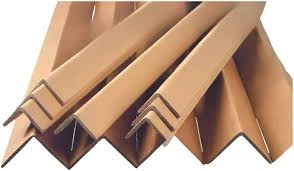 Angle Edge Protector
 Industrial Tapes
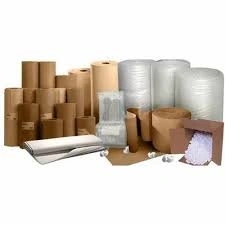 Packaging Consumables
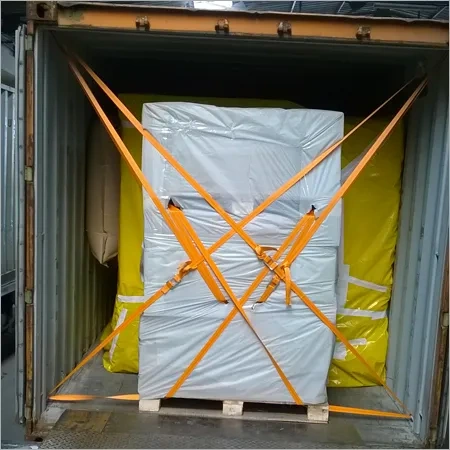 Packaging Services
 Packaging Tapes
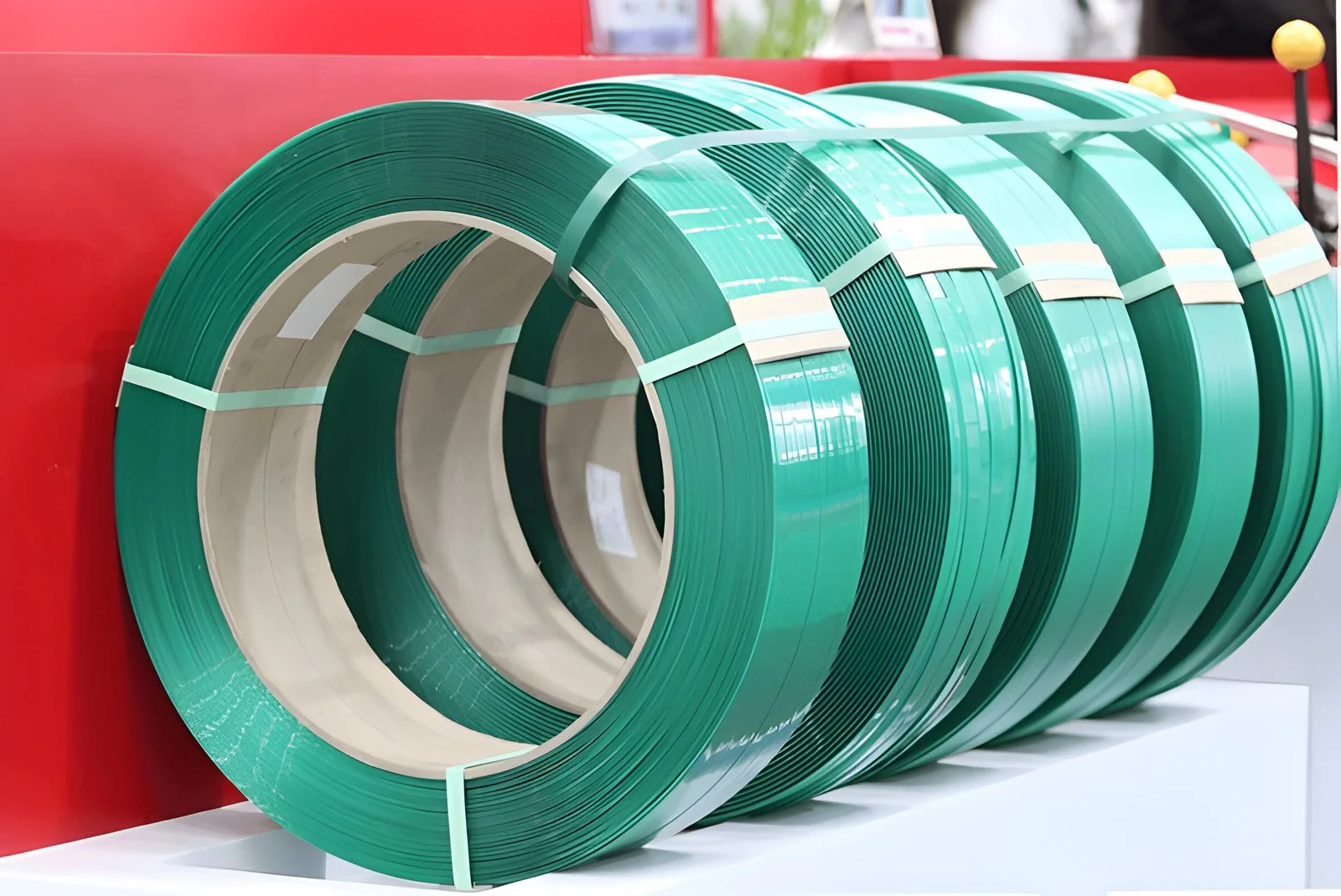 PET Strapping
By Admin | Nov. 03, 2026
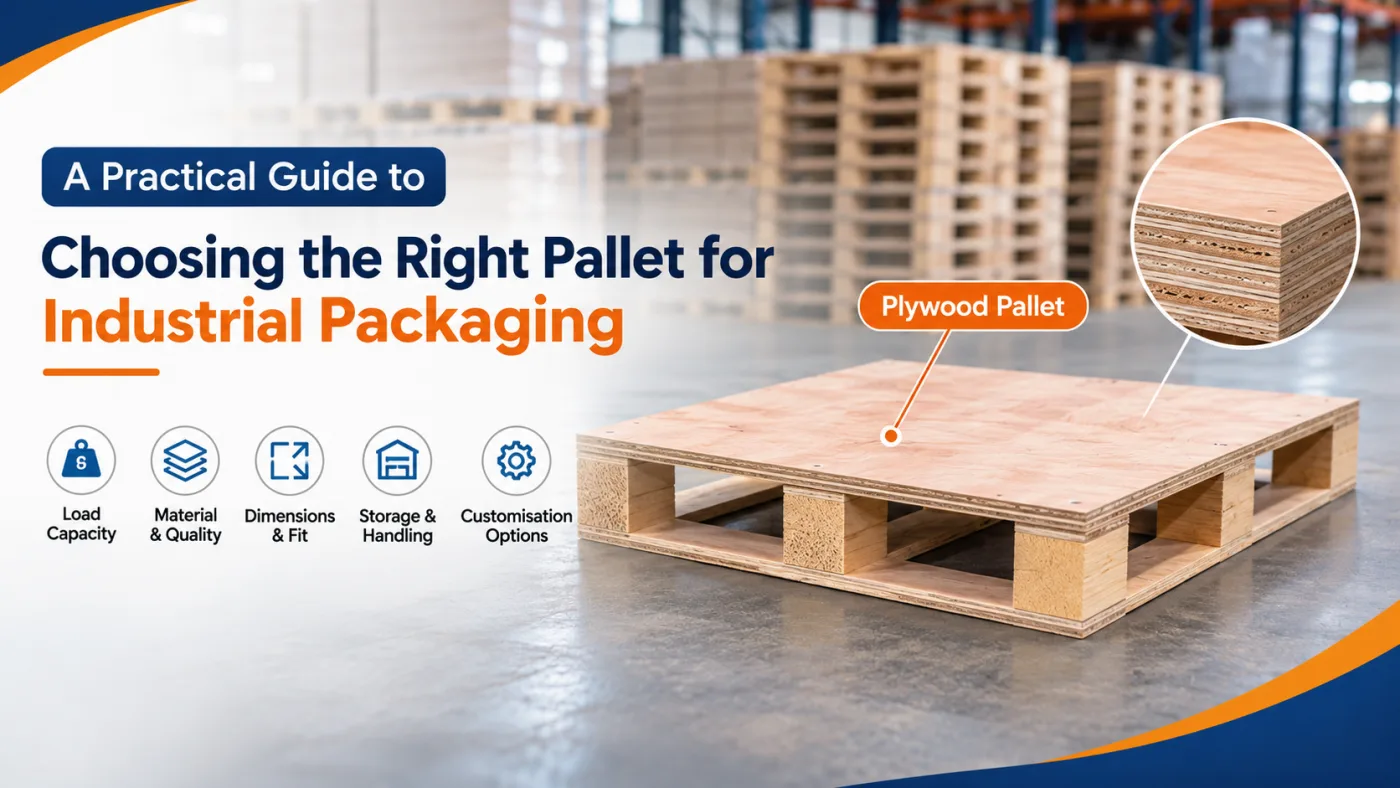
Selecting the right pallet is an important consideration for businesses involved in manufacturing, warehousing, storage and transportation. Pallets help organise goods, support material handling and make the movement of products more convenient across different stages of the supply chain.
However, not every pallet is suitable for every application. Product weight, dimensions, storage conditions, transportation requirements and handling methods all influence the selection process. Understanding these factors can help businesses identify a suitable packaging solution for their operational needs.
Pallets are platforms used to support goods during storage, handling and transportation. They provide a structured base for arranging products and help make material movement more organised.
Businesses across different industries use pallets to improve warehouse operations, manage inventory and facilitate the movement of packaged goods. The right selection depends on the nature of the products being handled and the conditions in which they will be stored or transported.
Pallets are available in different materials and designs. Each type has characteristics that may make it suitable for particular industrial applications.
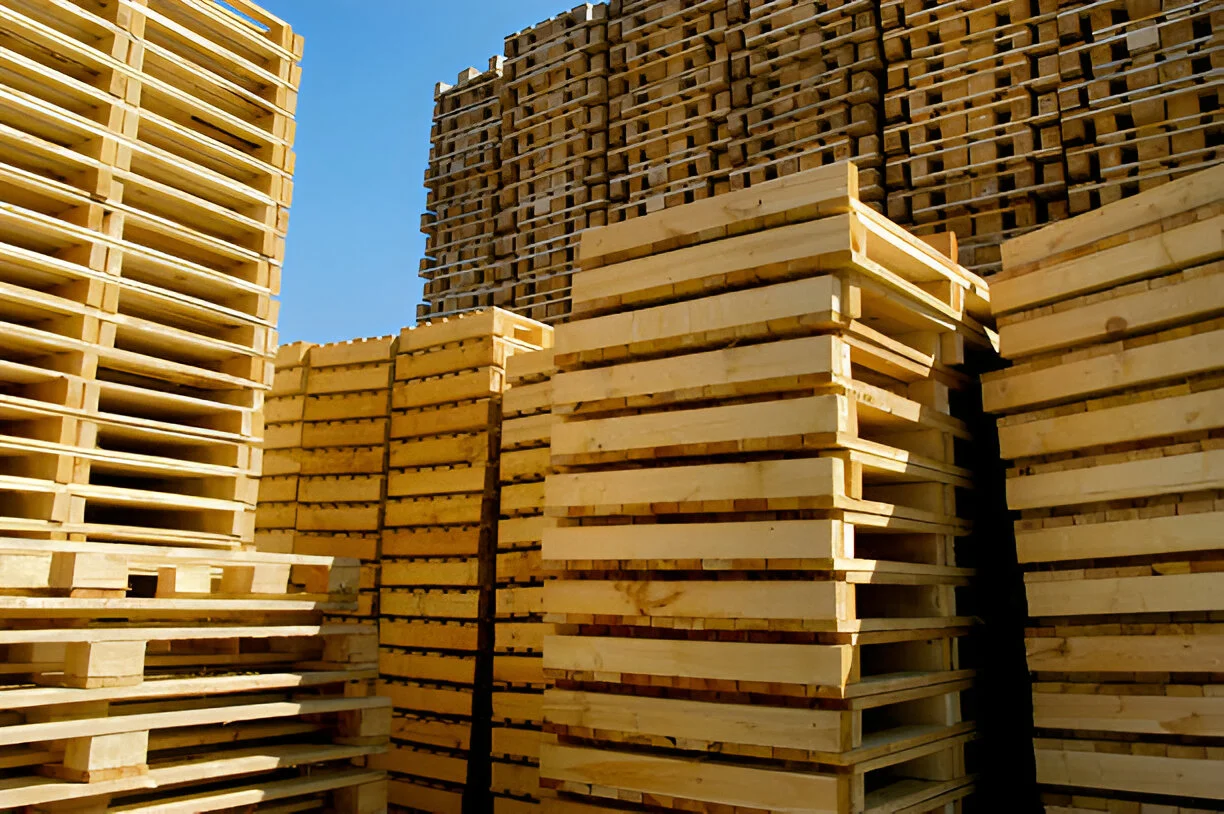
Wooden pallets are commonly used in warehouses, manufacturing facilities and transportation operations. They are available in different dimensions and configurations to accommodate various types of goods.
Plywood pallets are made using engineered wood panels and are considered for applications where businesses require a structured and lightweight packaging platform. Their suitability depends on the construction, specifications and intended load requirements.
Businesses evaluating packaging options can explore Plywood Pallets to understand the available product options and identify solutions that match their transportation and storage requirements.
Plastic pallets are used in applications where resistance to moisture and ease of cleaning may be important. They are commonly considered for specific warehousing, logistics and handling environments.
Choosing the right pallet involves evaluating several practical requirements. Considering these factors before purchasing can help businesses make informed decisions.
The weight of the products being transported is one of the primary considerations. Businesses should evaluate the expected load and understand whether the pallet will be used for static storage, dynamic movement or transportation.
The pallet specifications should match the intended application and handling conditions.
Pallet dimensions should be appropriate for the size and arrangement of the packaged goods. An unsuitable size may create difficulties during stacking, loading and transportation.
Before selecting a pallet, businesses should consider product dimensions, available storage space and compatibility with material-handling equipment.
The conditions in which pallets will be used can influence the selection process. Businesses should consider whether goods will remain in warehouses, move between manufacturing facilities or be transported over long distances.
The packaging solution should be suitable for the intended handling and transportation environment.
The material and construction of a pallet can influence its durability and performance. Businesses should review the product specifications, construction quality and suitability for their intended application before finalising a purchase.
Different industries handle products with different shapes, weights and packaging requirements. Standard pallet dimensions may not always be suitable for every application.
Some products require specific pallet dimensions to maintain proper positioning and make better use of available storage and transportation space.
The pallet design should be evaluated according to the type of goods, handling equipment and storage arrangements involved.
Businesses purchasing pallets in larger quantities may need to discuss dimensions, specifications and supply requirements in advance. Clear communication with the supplier can help ensure that the selected product matches the intended application.
Selecting a suitable supplier is an important part of the procurement process. Businesses should consider product suitability, quality and the supplier's ability to understand their requirements.
When evaluating Plywood Pallets Manufacturers, consider the following factors:
Review the available dimensions, construction details and load-related specifications before making a purchasing decision.
Check whether the supplier can discuss product requirements and provide suitable options for different industrial applications.
Consistent product quality is important for businesses that regularly purchase packaging materials. Ask about quality checks and product specifications before confirming an order.
Clear communication regarding product requirements, order quantities and delivery timelines helps businesses plan their procurement activities.
Businesses looking for a Manufacturer of Plywood Pallets should evaluate these factors carefully rather than relying only on the initial quoted price.
A suitable pallet can contribute to organised storage and more convenient material handling. Businesses should assess their packaging processes regularly to identify areas where better product selection and handling practices may improve operational efficiency.
Maintaining proper stacking practices, using compatible handling equipment and choosing pallets according to the intended application can support smoother warehouse and transportation operations.
For industrial packaging requirements, SKN Industries provides product options for businesses looking to explore suitable packaging solutions. Customers can connect with the company to discuss their specific requirements and available products.
Selecting an appropriate pallet requires an understanding of product requirements, material characteristics, load capacity, dimensions and transportation conditions. Businesses should evaluate these factors before making procurement decisions.
By considering the intended application and comparing suitable product options, companies can make more informed choices for their industrial packaging and logistics operations.
Businesses should consider product weight, pallet dimensions, material, storage conditions, transportation requirements and compatibility with handling equipment.
Wooden pallets are generally constructed using solid wood components, whereas plywood pallets use engineered wood panels. Their suitability depends on construction, specifications, load requirements and intended applications.
Plywood pallets can be considered for various industrial packaging and transportation applications. Their suitability depends on their design, construction, dimensions and specified load capacity.
Customisation may be available depending on the supplier's product range and manufacturing capabilities. Businesses should discuss their required dimensions, load requirements and intended application before placing an order.
Businesses should evaluate product specifications, quality consistency, customisation options, communication, delivery requirements and the supplier's ability to understand their application.
Suitable pallet dimensions and load specifications help businesses plan product arrangement, handling and storage. Selecting a pallet according to the intended application can support safer and more organised transportation.