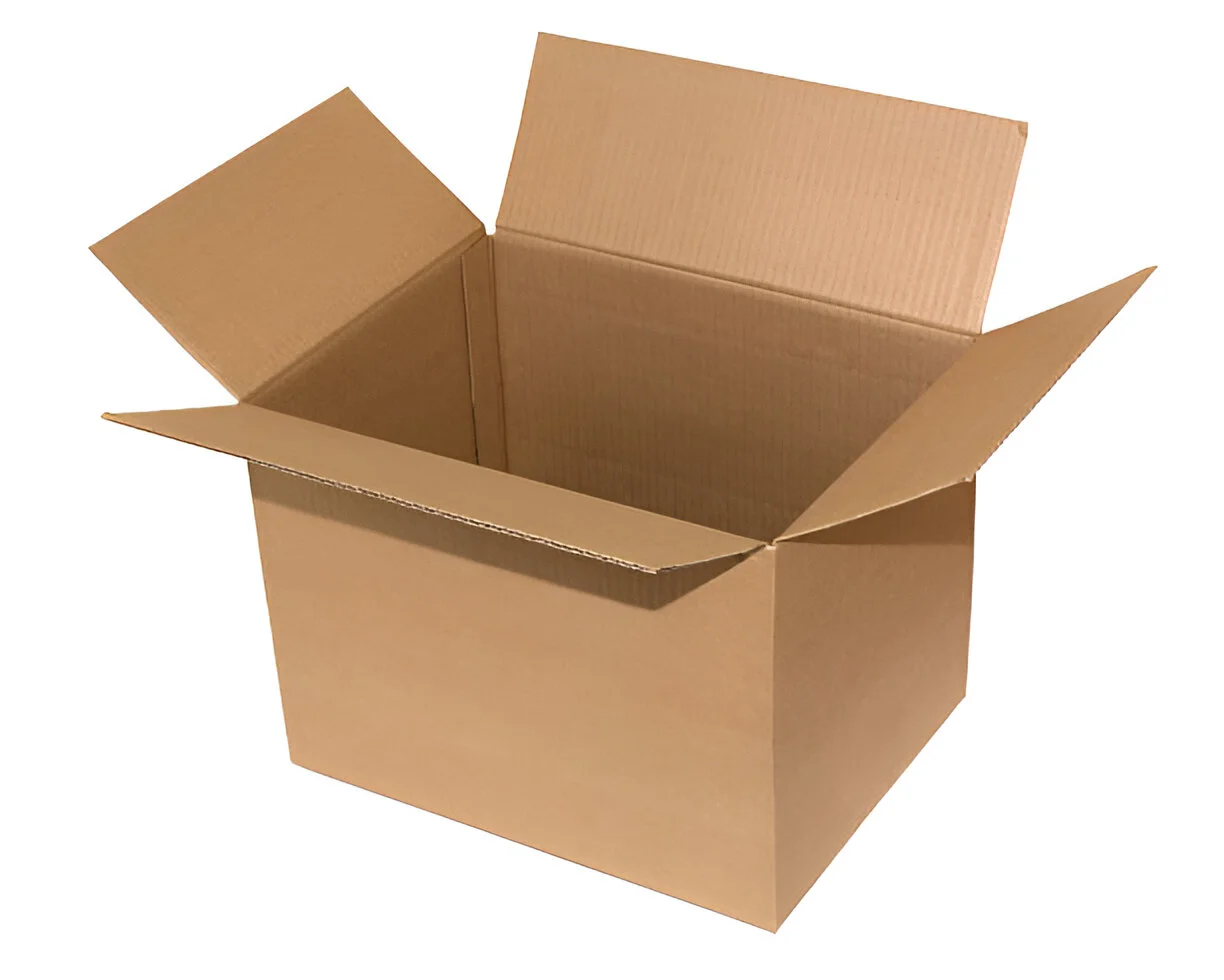
 Corrugated Boxes & Corrugator
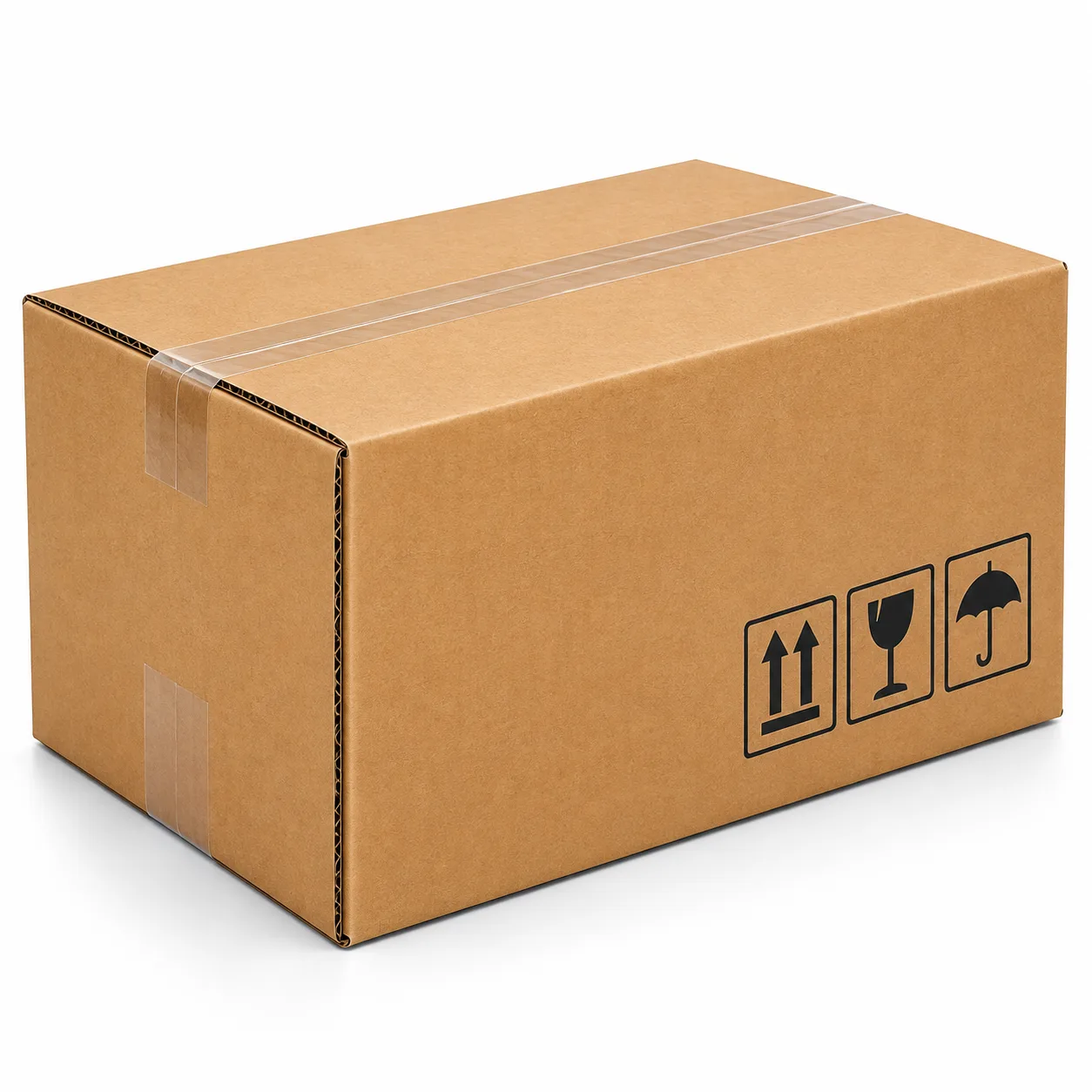 3 Ply Brown Corrugated Boxes
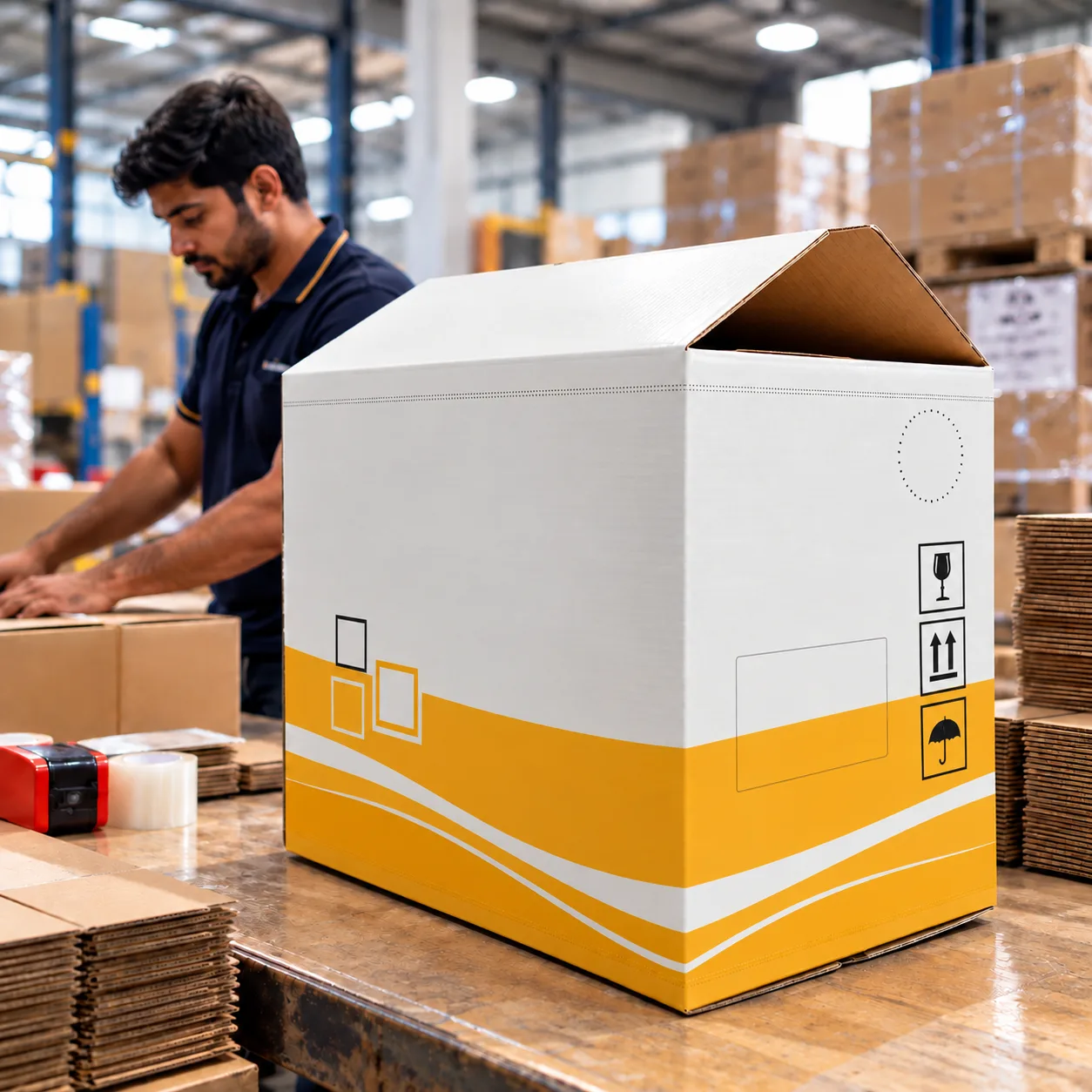 5 Ply Designer Corrugated Boxes
 7 Ply Heavy Corrugated Boxes
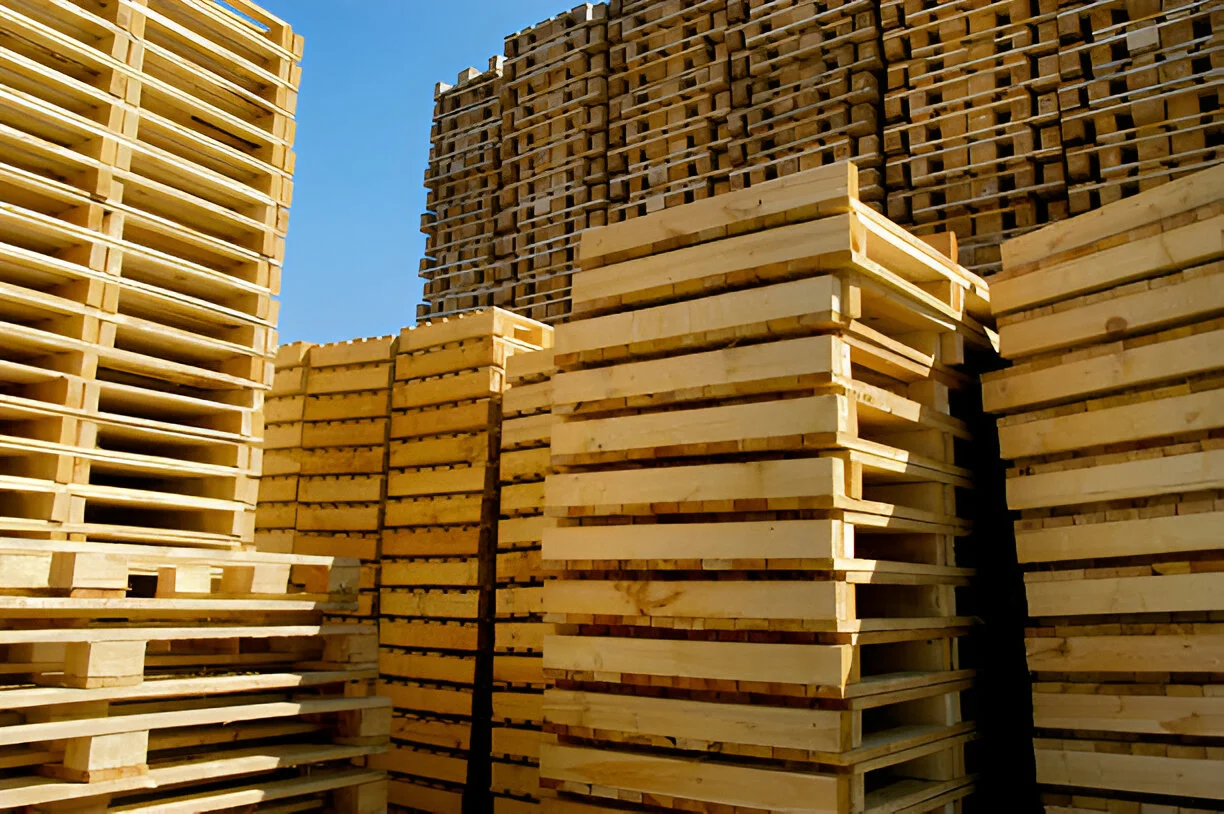 Wooden Pallets Manufacturers
 Angle Edge Protector
 Industrial Tapes
 Packaging Consumables
 Packaging Services
 Packaging Tapes
 PET Strapping
By Admin | Aug. 14, 2026
Corrugated boxes are used across manufacturing, warehousing, retail, and logistics because their layered structure provides a practical combination of strength, cushioning, and manageable weight. But the performance of a finished box begins long before a product is placed inside it. It starts with the way corrugated boards are manufactured.
A corrugator machine plays an important role in creating the fluted paper structure used in these boxes. The quality of this structure, together with the later box-making processes,influences how packaging performs during stacking, handling, and transportation.
Understanding the process helps businesses make more informed decisions about packaging materials, box specifications, and supplier capabilities.
The performance of industrial packaging is dictated by the quality of the corrugated board, the shape of the flute and the various conversion processes involved in turning the material into finished boxes.
Businesses working with a Corrugated Box Manufacturer should consider board specifications, product dimensions, load requirements, and packaging customization.
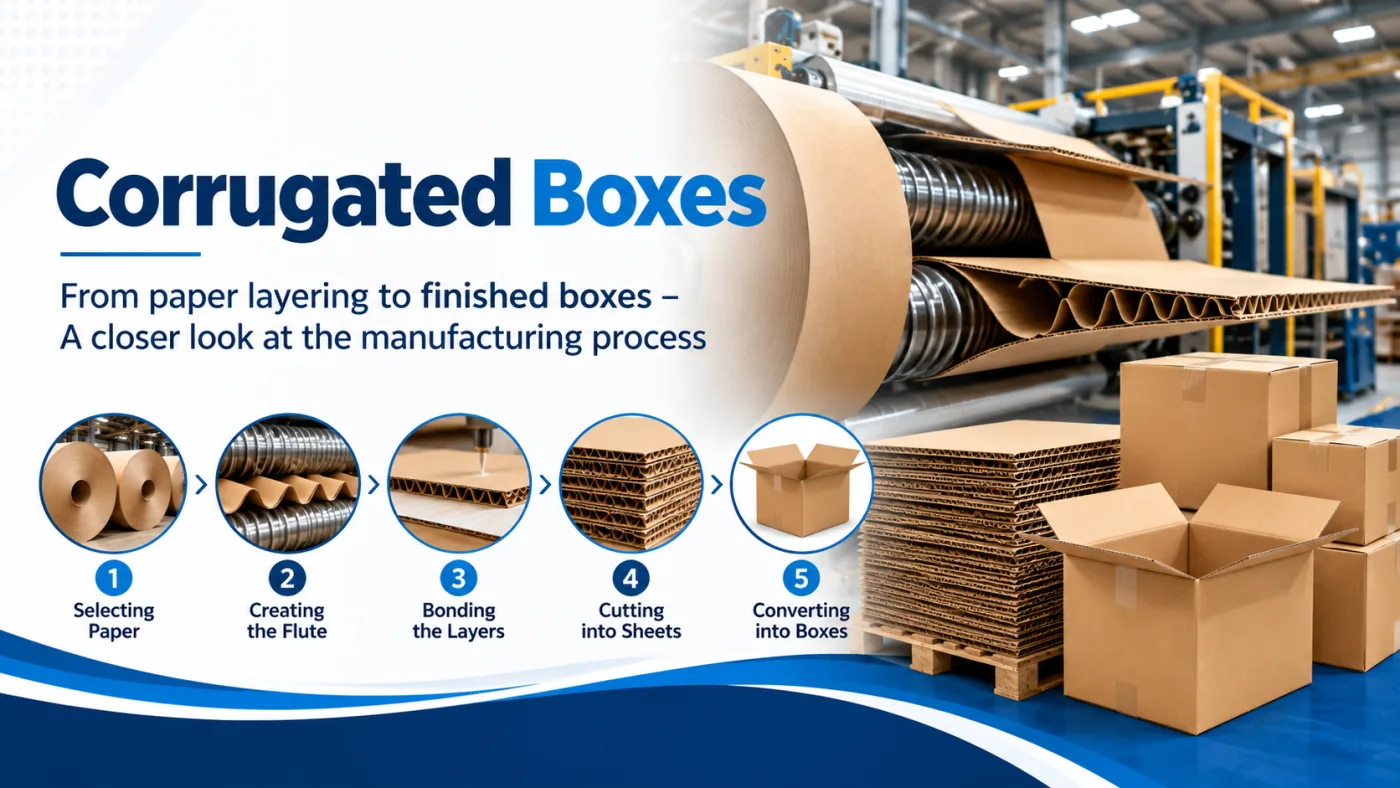
The manufacturing process involves several connected stages, each contributing to the final packaging structure.
It all starts with linerboard and corrugating medium paper.
Linerboards constitute the flat surfaces of corrugated board , with the medium providing a corrugated surface between them.
The choice of paper grade will determine stiffness, crush resistance and surface properties.
Packaging specifications make one decision - use a much lighter-weight build or a more demanding board spec.
Within the corrugator, the medium is advanced over a set of heated corrugating rolls that impart its wave shape.
These waves are called flutes.
The fluting is designed to channel force through the board and to add cushioning to the design.
The flute profile used can vary based on the type of packaging desired.
E.g. Some profiles are appropriate for narrow packaging while others offer alternative board thickness and cushioning combinations.
Once the medium has been formed, glue is then placed on the fluting tips for the liners to be glued onto it.
Adhesives used for corrugated boards are mostly starch-based.
The finished sheet's stability is affected by heat, pressure, moisture control, and bonding conditions.
Weak bonding could compromise the board's structure if the package is handled multiple times or stacked with other objects.
After layering, the length is cut into sheets of the corresponding length.
For some types of equipment, the board may also be scored and slit during this phase.
Understanding the dimensions of a sheet is crucial, since they have a high impact on fold, cut and box construction processes.
At this stage, the material is corrugated rather than a finished shipping carton, rather than the finished product.
The next stage is called converting.
Flat corrugated sheets are processed into usable packaging through operations such as printing, die-cutting, slotting, creasing, folding, and gluing or stitching.
The exact sequence depends on the required box design.
Regular slotted cartons, die-cut boxes, and customized industrial packaging may involve different converting operations.
Accurate cutting and folding help boxes maintain their intended shape and fit the products they are designed to hold.
The strength of a corrugated box is not determined by thickness alone.
Its performance depends on how the paper materials, fluted structure, adhesive bonds, and final box design work together.
Several factors deserve attention.
Flute formation: Consistent flute geometry helps maintain the intended board structure.
Paper quality: Liner and medium specifications influence compression resistance, stiffness, and other physical properties.
Adhesive bonding: Proper bonding supports the integrity of the layered board.
Dimensional accuracy: Correct cutting and creasing help boxes fold and assemble as intended.
Moisture conditions: Excessive humidity can reduce the strength of paper-based packaging.
These factors explain why two boxes with similar external dimensions may perform differently during storage and transportation.
Industrial buyers often require packaging that fits specific products, pallet arrangements, and transportation conditions.
A suitable box design should account for product weight, dimensions, fragility, stacking height, and handling frequency.
Businesses looking for a Best Corrugated Box Manufacturer should therefore consider the available box constructions, customization options, material specifications, and application requirements.
The same considerations are relevant when comparing corrugated box manufacturers for regular industrial supply.
For example, a lightweight product may be adequately protected by a single wall box, while heavier components may require double wall construction or additional internal supports.
The most suitable option depends on the complete packaging requirement rather than one material characteristic.
Corrugated board is available in several constructions, including single wall, double wall, and triple wall.
One corrugated medium per single wall board is used.
Generally used for packing applications where weight, protection and material efficiency are all factors.
The double wall board consists of two fluted mediums and three liners.
It may also be chosen when extra structural support is necessary for heavier or more challenging packaging jobs.
It has three fluted mediums and a number of liners triple wall board.
This type is utilized in a few heavy-duty pack-out applications but suitability must be determined for the actual load.
Selecting the optimal design can save companies from providing inadequate protection while also protecting them from overuse of materials.
A high-quality board is only a part of effective packaging.
The completed box should be built to conditions expected.
Boxes can be stored together for long periods during warehouse storage. Boxes during transportation may be subject to vibration, repeated handling and lifting, and to varying environmental conditions.
Incorrect box dimensions can lead to larger boxes that needlessly shift the product during transit. Or have poor box dimensions that lead to inefficient pallet stacking.
Internal separators, protective inserts or suitable closures could be necessary for delicate or oddly-shaped articles.
These factors can be assessed by businesses with sample package testing and appropriate testing.
There are two main tests to measure box strength: The Edge Crush Test measures the edgewise compression strength of corrugated board. The Box Compression Test determines the compression strength of a final box at specific conditions.
Such tests provide useful information, but real-world performance also depends on product loading and environmental conditions.
Understanding the corrugated box manufacturing process helps businesses evaluate packaging quality before selecting a supplier. Factors such as flute formation, board strength, dimensional accuracy, and customization capabilities can influence packaging performance.
Businesses searching for the Best Corrugated Box Manufacturer should consider these technical aspects alongside their product protection, storage, and transportation requirements.
Different industries place different demands on their packaging.
Automotive components may require stronger construction and internal separation to prevent movement. Electronics may need cushioning and protection against handling impacts.
Retail and e-commerce businesses often prioritize compact dimensions, convenient assembly, and efficient dispatch.
Industrial equipment suppliers may require customized box designs to accommodate unusual shapes or heavy components.
For companies seeking packaging solutions across different applications, SKN Industries provides a range of industrial packaging products, including corrugated boxes and other protective packaging materials.
Matching the box structure to the product and its supply chain conditions helps businesses develop more practical packaging arrangements.
Corrugator machines play an important role in creating the layered board structure used in corrugated packaging. From flute formation and paper bonding to cutting and box conversion, each manufacturing stage influences the properties of the finished material.
However, reliable packaging depends on more than the machine itself.
Board construction, material selection, box dimensions, protective inserts, and transportation conditions must all be considered together.
By understanding how corrugated boxes are produced, businesses can make better-informed packaging decisions and select designs that support product protection, storage efficiency, and practical handling.
A corrugator machine is used to produce corrugated boards by combining fluted paper medium with flat linerboards. The resulting sheets can then be converted into boxes and other packaging products.
Not necessarily. A corrugator generally produces corrugated boards. Additional converting operations, such as cutting, printing, folding, and joining, are used to create finished boxes.
Flute geometry influences board thickness, cushioning, and structural performance. Overall strength also depends on paper grades, bonding quality, and box design.
Single wall board contains one fluted medium between two liners, while double wall board contains two fluted mediums and three liners. Double wall construction may provide additional support for demanding applications.
Accurate cutting, scoring, folding, and bonding help boxes maintain the required dimensions and structural integrity. This can support consistent packing and handling performance.