 Corrugated Boxes & Corrugator
 3 Ply Brown Corrugated Boxes
 5 Ply Designer Corrugated Boxes
 7 Ply Heavy Corrugated Boxes
 Wooden Pallets Manufacturers
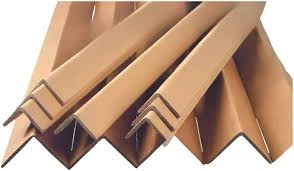 Angle Edge Protector
 Industrial Tapes
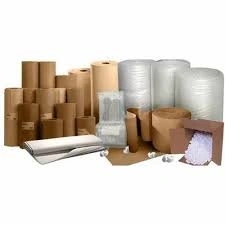 Packaging Consumables
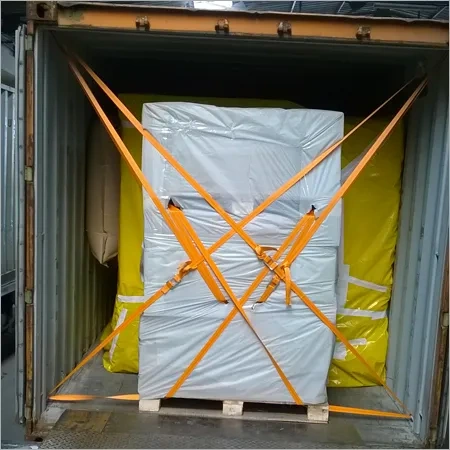 Packaging Services
 Packaging Tapes
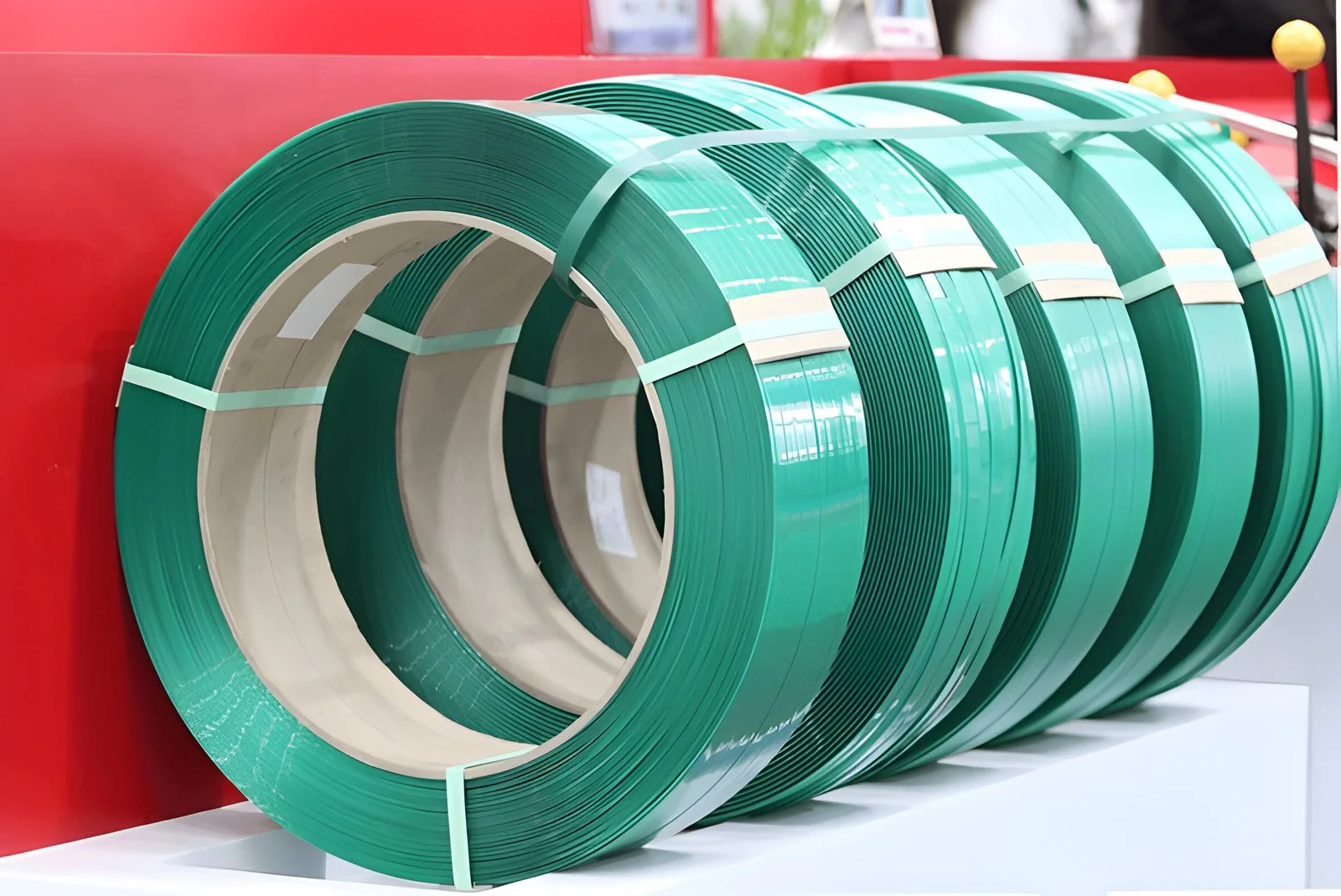 PET Strapping
By Admin | Sep. 04, 2026
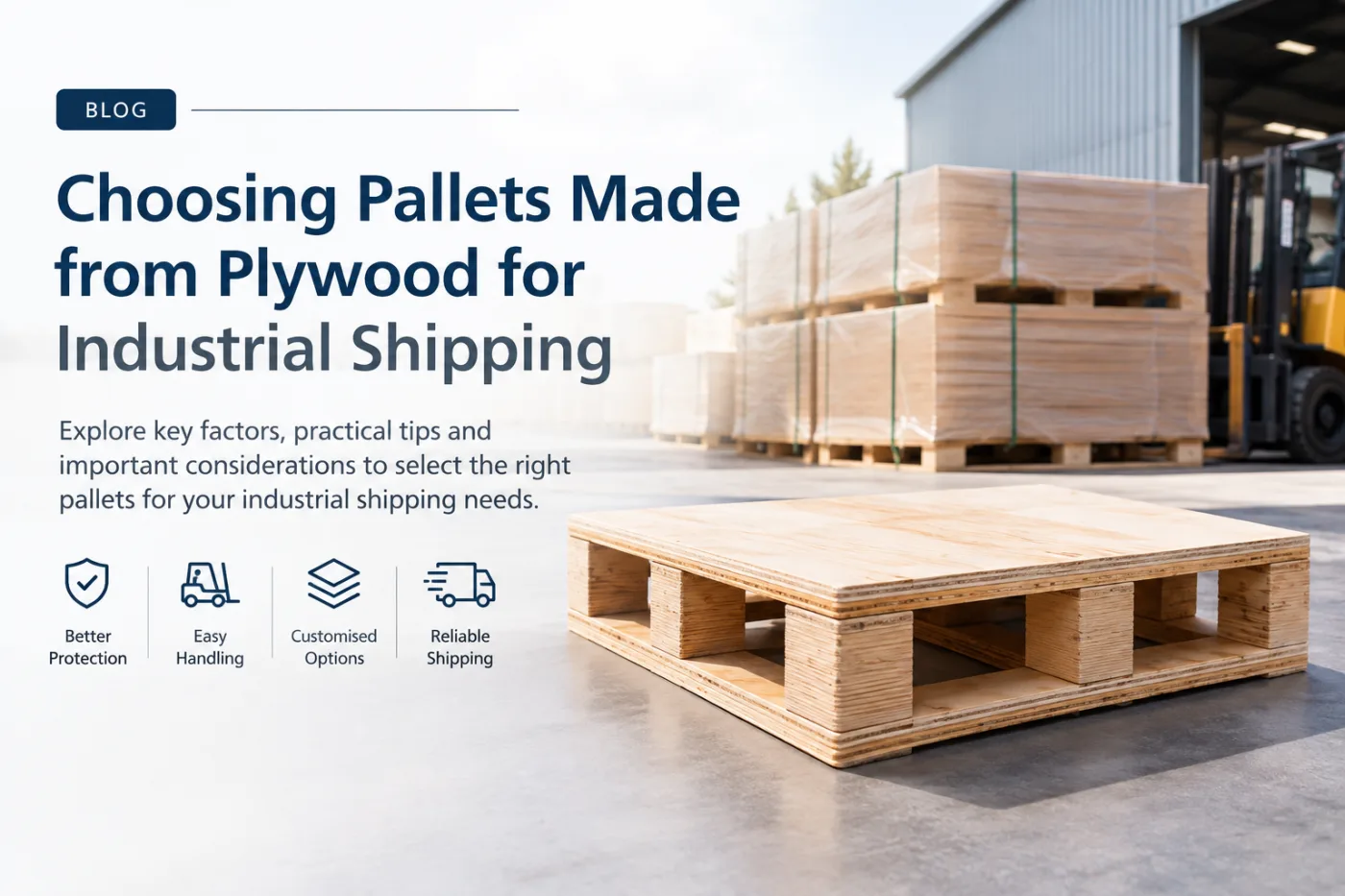
Industrial shipping requires packaging that can support products during storage, handling and transportation. Selecting the right pallet is therefore an important part of a business's logistics planning. Companies should consider product dimensions, load requirements, forklift access and transportation conditions before finalising a pallet design.
When comparing Plywood Pallets Manufacturers, buyers should look beyond the initial quotation and understand whether the proposed pallet is suitable for their actual shipping requirements. A well-planned selection process can help businesses choose a practical packaging solution for their operations.
Every industrial shipment has different packaging requirements. Machinery components, automotive parts, electrical equipment and packaged materials may require different pallet dimensions and structural arrangements.
Businesses evaluating Plywood Pallets Manufacturers should first identify the type of goods they intend to transport. This makes it easier to discuss suitable dimensions, construction and handling requirements with a supplier.
The pallet should provide an appropriate base for the goods being shipped. Start by measuring the length, width and height of the packaged products.
Consider these details:
Overall product dimensions
Number of units placed on each pallet
Packaging material and protective layers
Product shape and weight distribution
Space required for loading and unloading
Accurate measurements help buyers discuss suitable pallet dimensions with Plywood Pallets Manufacturers. They also reduce the chances of selecting a pallet that is unnecessarily large or unsuitable for the packaged goods.
Load requirements are a factor to keep in mind when it comes to industrial shipping. Here are some things you should know about static, dynamic and racking loads before you decide on a pallet.
|
Load Type |
Meaning |
|
Static load |
Weight supported while the pallet remains stationary |
|
Dynamic load |
Weight supported while the pallet is being moved |
|
Racking load |
Weight supported when placed on a suitable warehouse rack |
The required capacity depends on the pallet design and its intended application. Businesses should share the actual product weight and storage conditions with Plywood Pallets Manufacturers rather than relying on general load assumptions.
A suitable design should be evaluated according to the intended operating conditions and the manufacturer's specifications.
Forklifts and pallet trucks are commonly used in industrial warehouses. The pallet design should be compatible with the equipment used for loading, unloading and moving goods.
Before confirming an order, consider:
Two-way or four-way forklift entry
Forklift dimensions and access requirements
Pallet movement inside the warehouse
Loading arrangements at the dispatch area
Handling conditions during transportation
Discussing these requirements with Plywood Pallets Manufacturers can help businesses select a configuration that fits their material-handling process.
A pallet used for indoor storage may have different requirements from one used for long-distance transportation. Businesses should explain where the pallets will be stored and how frequently they will be moved.
Common applications include:
Industrial warehouse storage
Domestic transportation
Export packaging
Container loading
Distribution and dispatch operations
These details help the supplier understand the intended use. Buyers should also consider stacking arrangements, available warehouse space and the conditions in which the packaged goods will remain.
Standard dimensions may not suit every industrial product. Some shipments require specific pallet measurements, entry arrangements or supporting structures.
Businesses should discuss their requirements before placing a bulk order. When contacting Plywood Pallets Manufacturers, provide product dimensions, weight, quantity and intended application so that the proposed design can be evaluated accordingly.
Companies searching for a suitable supplier can explore Plywood Pallets Manufacturers at SKN Industries to review the product offering and discuss their packaging requirements.
Choosing the right supplier is about more than pricing. Buyers need to be aware of the configuration options, materials specifications and manufacturing capacity.
A Manufacturer of Plywood Pallets would expect the supplier to be able to answer questions such as what product specifications and to know the 'application' that the customer intends for it.
Consider asking the supplier about:
Available pallet dimensions
Customisation possibilities
Material and construction details
Production capacity for the required quantity
Quality inspection procedures
Expected delivery timelines
A clear discussion helps procurement teams compare quotations on the basis of product suitability and service requirements.
If you have a set dispatch schedule you might want to forecast the number of pallets you might require in the month you require them. Usage per month can be forecast, as can storage capacity and delivery dates.
If you are talking to Plywood Pallets Manufacturers, include the bulk requirements and the same specifications if they will need to be used in future loads.
This information gives both parties time to facilitate the planning of production and delivery. It also enables warehousing planning by maintaining the repeat purchase shipment specifications at a uniform level.
Before approaching a supplier, buyers should keep the following details ready:
|
Information |
Details to Share |
|
Product |
Type of goods being shipped |
|
Dimensions |
Length, width and height |
|
Weight |
Approximate weight of the packaged load |
|
Quantity |
Required number of pallets |
|
Handling |
Forklift or pallet-truck requirements |
|
Application |
Storage, domestic shipping or export |
|
Delivery |
Location and expected schedule |
Sharing these details makes the quotation process more structured and helps suppliers understand the actual requirement.
Choosing the right pallet for industrial shipping requires an understanding of product dimensions, load requirements, handling equipment and storage conditions. Businesses that evaluate these factors before procurement can make more informed packaging decisions.
SKN Industries provides packaging solutions for business requirements and can discuss pallet specifications, customisation and bulk-order needs. Contact the company to explore a suitable option for your industrial shipping requirements.
Check product dimensions, load requirements, forklift access, storage conditions and transportation needs before confirming a pallet design.
Custom dimensions and configurations can be discussed according to the product size, handling equipment and intended application.
Different pallets are designed for different operating conditions. Confirming the required static, dynamic or racking load helps ensure that the proposed design suits the intended application.
Share the required quantity, product dimensions, weight, handling requirements, application and delivery schedule.
Compare product specifications, available configurations, customisation options, production capacity, inspection procedures and delivery commitments.